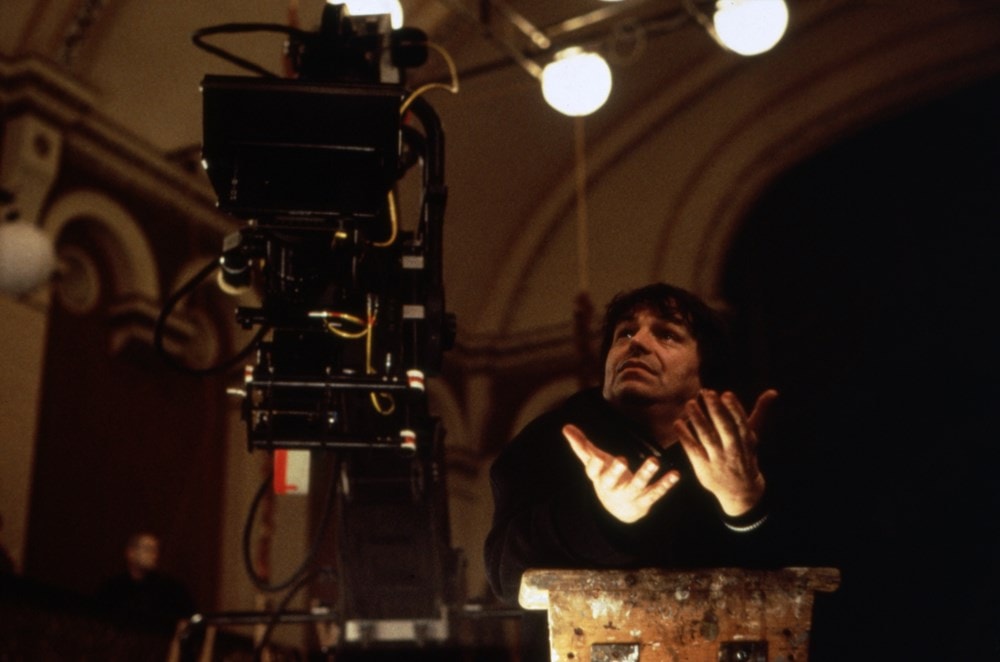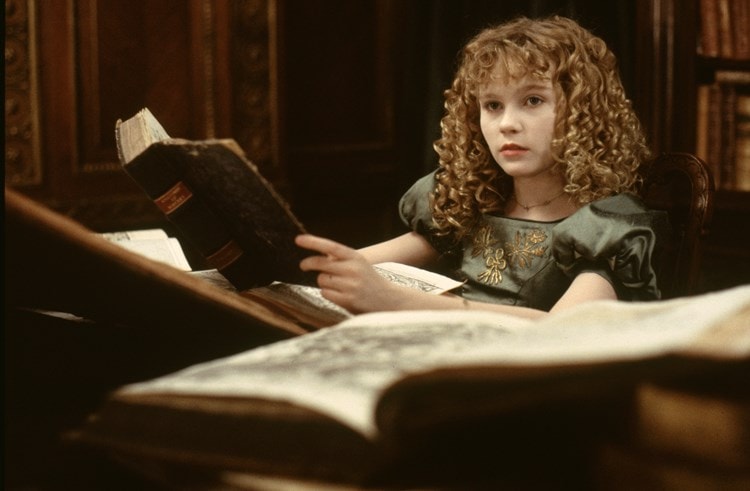
Three decades after its initial release, Neil Jordan’s Gothic masterpiece Interview with the Vampire (1994) remains a high-water mark for vampire cinema. To celebrate the film's stunning new 4K SteelBook release at hmv, director Neil Jordan sat down with us for an exclusive interview to reflect on midnight shoots in New Orleans, guiding a young Kirsten Dunst, practical effects, and unearthed deleted scenes.
Midnight in the Crescent City
us: Looking back 30 years later, what stands out most in your memory from shooting on location during those atmospheric night shoots in New Orleans?
Neil Jordan: "Shooting at night in New Orleans, you know, and finishing when the bars opened... It was strange, very intense, but very beautiful. Being a horror fantasy movie, the great thing about night shooting is you can control every single piece of light and everything that goes into the frame."
Capturing Loneliness & Merging Genres
us: When adapting Anne Rice’s 1976 novel, how did you approach balancing the thematic weight of her story with merging the grand scale of a historical epic and classic vampire horror?
Neil Jordan: "The book was a profoundly beautiful story about loneliness in the end. When I made the movie, I just wanted to reproduce that feeling as much as I could. I was given the opportunity to make a vampire movie out of a historical epic to merge the two forms."
Kirsten Dunst's Breakout Performance
us: Kirsten Dunst delivered a legendary performance as Claudia at just 11 years old. How did you guide her through such intense, dark material, and what stood out to you about her work?
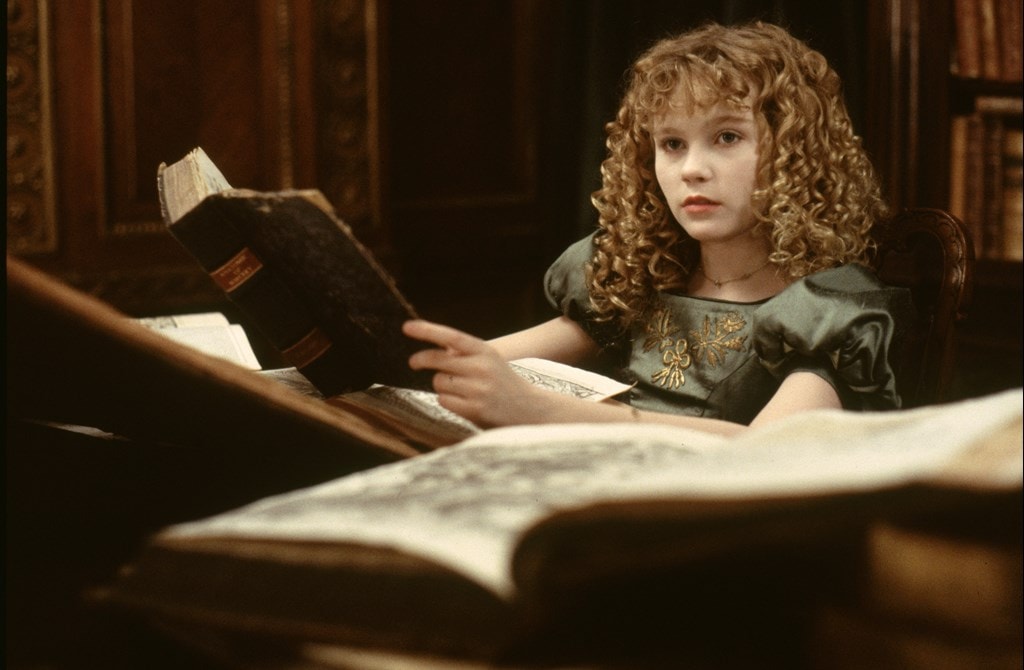
Neil Jordan: "I don't think Kirsten found it dark I think she found it gleefully thrilling. She really inhabited that irresponsible zone kids of that age have. They find death ghoulish and fascinating. She was so obviously going to have a career as an actress; I didn't have any of the usual trepidations when casting a child."
Neil Jordan: "When Claudia cuts her hair and it grows back, realizing she’s condemned to be a child forever, that to me is the center of the whole film."
The Art of In-Camera Filmmaking & 4K Clarity
us: In your new featurette with editor Mick Audsley, you break down the visual style. What was it like revisiting candle-lit, low-light cinematography for a modern 4K scan?
Neil Jordan: "It was a large-budget period production before CGI just took over. Re-scanning Philippe Rousselot's candle-lit, low-light cinematography in 4K brings out an incredible amount of richness and shadow detail that we simply couldn't showcase as effectively in 1994."
us: You also sit down with production designer Dante Ferretti for a new retrospective featurette. What set or costume detail in 4K are you most excited for physical media collectors to finally see in full clarity?
Neil Jordan: "Dante Ferretti's sets look gorgeous in 4K. We built a huge set for the burning of New Orleans, and the sheer texture of the fabrics, the ornate woodwork, and the practical set construction really pop with the new clarity."
us: How does hearing the newly remastered audio track enhance Elliot Goldenthal’s score compared to how audiences heard it in 1994?
Neil Jordan: "Elliot Goldenthal's score is so grand and haunting. Hearing it in modern high-definition sound brings out all the subtle orchestration and dramatic weight that was lost in original theatrical mixes."
us: Do you feel relying on practical blood work and real sets (rather than early 90s CGI) is the main reason the film's visuals still hold up so well today?
Neil Jordan: "Absolutely. It was made right before computer effects dominated cinema. To achieve that translucent vampire look, we hung actors upside down for 20 minutes prior to filming so makeup artists could trace their naturally visible veins. Practical effects ground everything in reality."
Custom Props & Unearthed Scenes
us: Can you share details about some of your favorite custom props, and what fans can expect from the deleted scenes included in the new physical release?
Neil Jordan: "I didn't want Lestat always to have to kill people with his teeth, so I invented a thimble to penetrate the neck when he wanted something subtle. That was my favorite prop because I designed it myself."
us: The 4K disc includes newly unearthed deleted scenes. Do you remember why those specific moments were originally left on the cutting room floor?
Neil Jordan: "On the disc, there's a cut scene where Brad Pitt’s character, Louis, kills a priest after confession. I can't imagine why we excluded it, probably for time in the end. I recommend seeing the whole thing, but do look at those deleted scenes."
us: Out of all the location shoots (from late-night New Orleans to the London soundstages) which set was your absolute favorite to walk onto?
Neil Jordan: "Walking onto the Theatre des Vampires set built in London was incredible, but the atmosphere of midnight shooting on location in New Orleans remains unmatched."
us: For an hmv customer taking home the new 4K SteelBook, which single scene should they jump to first to test out their new TV setup?
Neil Jordan: "Jump straight to the burning of the plantation or the Theatre des Vampires sequence. The contrast between deep dark shadows and fiery light will test any high-end screen."
us: What one word best describes what it feels like to revisit Interview with the Vampire 30 years later?
Neil Jordan: "Gratifying."
The 30th Anniversary 4K UHD SteelBook of Interview with the Vampire is available to pre-order HERE.