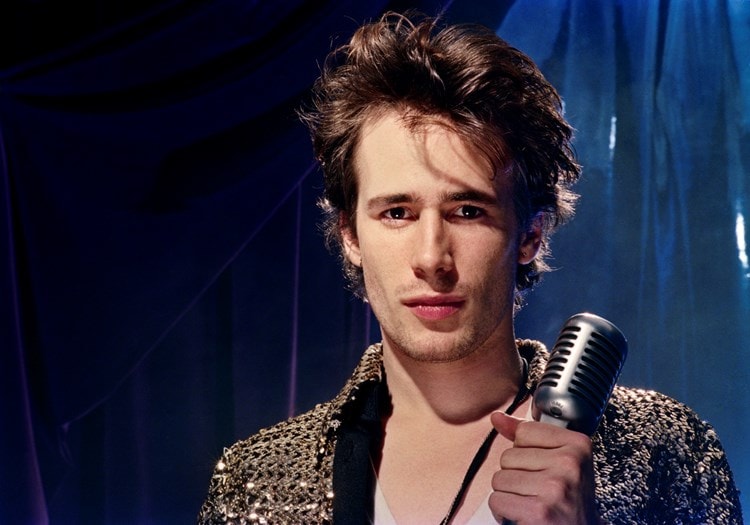
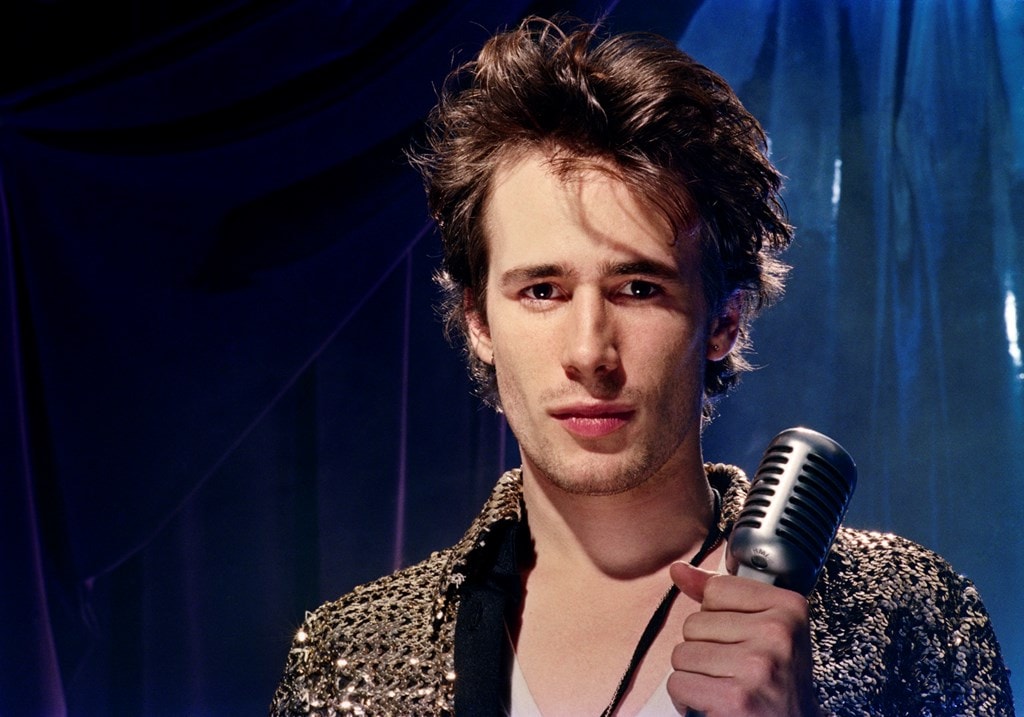
Director Amy Berg on demythologising Jeff Buckley, feminism and finally finishing a film 16 years in the making.
For more than two decades, Jeff Buckley has existed somewhere between reverence and myth... a singular voice, a solitary studio album, and a life cut devastatingly short. In her long-awaited new documentary, filmmaker Amy Berg sets out not to explain Buckley away, but to place us inside his world. Sixteen years in the making, and created with unprecedented access to Buckley’s personal archives and those closest to him, the film offers an immersive, deeply human portrait of an artist whose life and music remain as emotionally resonant as ever.
So first of all, what originally drew you to Jeff Buckley as a subject… and why does now feel like the right time to tell his story?
Amy Berg: I’ve actually been trying to make this film since around 2008. It’s something I’ve wanted to do for a long time. Over the years, I reached out to his mother multiple times, and this was simply the moment when she finally said yes. That’s really how we got here.
Jeff Buckley is often mythologised as this unknowable enigma. Was there a particular version of Jeff you were most intent on demythologising?
I agree that there’s a mythology around him. But for me, the focus wasn’t about dismantling a specific myth; it was about translating the feeling of experiencing his music into a film. I wanted it to be immersive and visual, something that allows you to feel the journey with him.
His life and work have been discussed for decades. What did you want this film to add to that existing conversation?
One thing I really wanted to clarify was the misconception around his death. A lot of people assume he died of an overdose, simply because he was young and a musician… which isn’t true.
Beyond that, I wanted to show how deeply his life and his art informed one another. His upbringing, his abandonment by his father, the challenges he faced, all of that shows up in his music, even if it isn’t immediately obvious. I wanted to bring a deeper understanding to that connection.
Once you began digging into the archives, was there anything that genuinely surprised you?
The voicemail messages he left for his mother were incredibly evocative. They told me so much without saying a word. They were emotional, deeply personal, and very honest. That’s really where the film began for me.
When shaping the documentary, how did you decide what to focus on… and what to leave out?
Jeff was a feminist, and I wanted to tell his story through a feminist lens. That guided me throughout the process.
There were, of course, countless stories, far more than could ever fit into one film. So it became an act of refining and shaping the narrative so it could stand on its own. Unfortunately, that meant some things couldn’t make the final cut.
The film gives space to many voices rather than leaning on a single, definitive perspective. Why was that important to you?
Nobody is the same to everybody. Jeff had different relationships with different people (especially different women), and I wanted to reflect that. Presenting multiple perspectives was the best way I could find to round him out as a human being fully.
Do you feel the weight of being, in some ways, the final author of someone else’s unfinished story?
I take it very seriously. It’s a heavy responsibility, and I don’t take it lightly at all.
That said, I don’t necessarily believe I’m the final word. The generation discovering Jeff now might see him differently in 10 or 20 years. This was simply the way I felt his story should be told… and I leaned heavily on the people who were closest to him to make sure it felt true.
Did spending so much time immersed in Jeff’s music and voice change the way you listen to Grace or think about him as an artist?
Absolutely. Listening to his music alongside the timeline of his life - his journals, interviews, and personal reflections (opened everything up for me. The songs became more relevant, more mirrored in his lived experience. It deepened my understanding of him completely.
What do you hope longtime fans take away from the film?
There’s no single answer. There are new fans, the original ’90s fans, and everyone in between, and I think everyone will have a different experience. My hope was simply to create an immersive space where people can feel him fully, and maybe come out feeling inspired to create something themselves.
And for people discovering Jeff Buckley for the first time?
I hope they connect with the purity of his artistry… the idea of expressing yourself from a deeply human place, without feeling boxed in or constrained. That sense of true artistic freedom.
Finally, after living with Jeff’s voice and story for so many years, how did you know when it was time to let the film go?
It’s such an evolving process, but I just knew it was ready. We kept going deeper and deeper, and eventually the timeline aligned. We locked the film in the fall of 2024. Of course, there are always things you could tweak… but at that point, it felt finished.
'It's Never Over, Jeff Buckley' is out in cinemas on 13th Feb. Shop our full Jeff Buckley collection below.
SHOP NOW
So first of all, what originally drew you to Jeff Buckley as a subject… and why does now feel like the right time to tell his story?
Amy Berg: I’ve actually been trying to make this film since around 2008. It’s something I’ve wanted to do for a long time. Over the years, I reached out to his mother multiple times, and this was simply the moment when she finally said yes. That’s really how we got here.
Jeff Buckley is often mythologised as this unknowable enigma. Was there a particular version of Jeff you were most intent on demythologising?
I agree that there’s a mythology around him. But for me, the focus wasn’t about dismantling a specific myth; it was about translating the feeling of experiencing his music into a film. I wanted it to be immersive and visual, something that allows you to feel the journey with him.
His life and work have been discussed for decades. What did you want this film to add to that existing conversation?
One thing I really wanted to clarify was the misconception around his death. A lot of people assume he died of an overdose, simply because he was young and a musician… which isn’t true.
Beyond that, I wanted to show how deeply his life and his art informed one another. His upbringing, his abandonment by his father, the challenges he faced, all of that shows up in his music, even if it isn’t immediately obvious. I wanted to bring a deeper understanding to that connection.
Once you began digging into the archives, was there anything that genuinely surprised you?
The voicemail messages he left for his mother were incredibly evocative. They told me so much without saying a word. They were emotional, deeply personal, and very honest. That’s really where the film began for me.
When shaping the documentary, how did you decide what to focus on… and what to leave out?
Jeff was a feminist, and I wanted to tell his story through a feminist lens. That guided me throughout the process.
There were, of course, countless stories, far more than could ever fit into one film. So it became an act of refining and shaping the narrative so it could stand on its own. Unfortunately, that meant some things couldn’t make the final cut.
The film gives space to many voices rather than leaning on a single, definitive perspective. Why was that important to you?
Nobody is the same to everybody. Jeff had different relationships with different people (especially different women), and I wanted to reflect that. Presenting multiple perspectives was the best way I could find to round him out as a human being fully.
Do you feel the weight of being, in some ways, the final author of someone else’s unfinished story?
I take it very seriously. It’s a heavy responsibility, and I don’t take it lightly at all.
That said, I don’t necessarily believe I’m the final word. The generation discovering Jeff now might see him differently in 10 or 20 years. This was simply the way I felt his story should be told… and I leaned heavily on the people who were closest to him to make sure it felt true.
Did spending so much time immersed in Jeff’s music and voice change the way you listen to Grace or think about him as an artist?
Absolutely. Listening to his music alongside the timeline of his life - his journals, interviews, and personal reflections (opened everything up for me. The songs became more relevant, more mirrored in his lived experience. It deepened my understanding of him completely.
What do you hope longtime fans take away from the film?
There’s no single answer. There are new fans, the original ’90s fans, and everyone in between, and I think everyone will have a different experience. My hope was simply to create an immersive space where people can feel him fully, and maybe come out feeling inspired to create something themselves.
And for people discovering Jeff Buckley for the first time?
I hope they connect with the purity of his artistry… the idea of expressing yourself from a deeply human place, without feeling boxed in or constrained. That sense of true artistic freedom.
Finally, after living with Jeff’s voice and story for so many years, how did you know when it was time to let the film go?
It’s such an evolving process, but I just knew it was ready. We kept going deeper and deeper, and eventually the timeline aligned. We locked the film in the fall of 2024. Of course, there are always things you could tweak… but at that point, it felt finished.
'It's Never Over, Jeff Buckley' is out in cinemas on 13th Feb. Shop our full Jeff Buckley collection below.
SHOP NOW