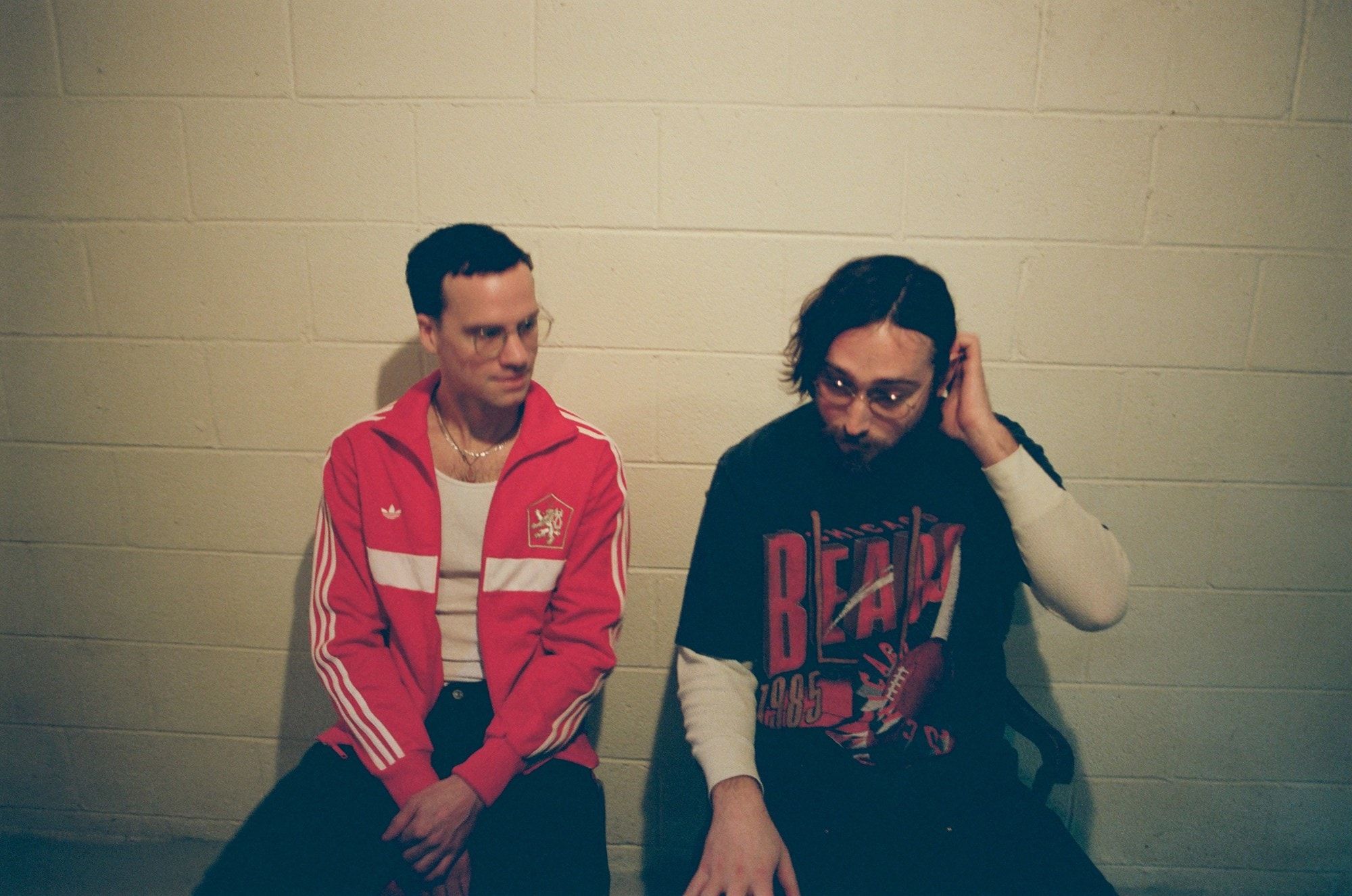
With their latest album out on November 7th, Whitney’s Julien Ehrlich caught up with us to talk about recording in Oregon, producing it themselves for the first time, and why this record feels comforting and warm.
How would you describe the album in just a few words?
Comforting, probably. I just listened to it for the first time in a couple of months and I was like, I forgot how lush and big some of the arrangements are, which stands out in our discography. But it still feels intimate and personal to me, which I liked. It does not feel like we are trying to make some grand maximalist statement. So yeah, comforting and warm.
This one is self-produced. What made you take that leap?
The last record we made was with John Congleton and Brad Cook. We were down in Texas and had a day off. We went to play Topgolf, and on the drive back Brad turned the music off and said, ‘you guys do not need producers anymore’. He said he was happy to be part of it, but it was clear we were ready. We have arranged every record ourselves anyway, so it was just about trusting our engineer and our own intuition with the sound.
Did that change the way you worked or how you trusted your instincts?
Maybe for seven to ten percent of the process, just making sure we zoomed out a little and were not getting caught in the weeds. We wanted to keep the whole picture in view and avoid the traps that a producer might usually help you out of.
It was made in Oregon. Did the surroundings shape the sound at all?
My dad used to be a musician, and he had built the skeleton of a studio in an old airplane hangar he was renting in Newberg, Oregon. I have a lot of love for that place, but it gets a little country out there. We knew we were doing it half DIY. We flew gear out, rented stuff from friends in Portland, and built everything ourselves, even using booths to create the room sound. It felt totally customisable.
Were there any particular influences that stood out while you were making it?
There were a handful of musical ones. Some moments sound like Nick Drake, others that feel like The Band or 1950s girl pop. But honestly, we were mostly influenced by visuals. We had a big TV above the mixing desk and watched Poor Things a lot with no sound. It is such a trippy film and I think it made us commit to what we were doing even more.
Both of you went through a lot personally while writing this. How did those changes shape the record?
Max and I both went through breakups. Mine was with someone I’d been on and off with for years. It was really intense, really unstable, but full of love too. We cared about each other deeply, but it became clear that we were bringing out the worst in each other.
Max went through something similar, that kind of breakup where it takes over your whole mind for months. We both experienced that around the same time, and not long after, we wrote Darling. It is not the last breakup song we will ever write, but it felt like such a direct statement that it kind of closed that chapter for us.
After that, we found ourselves writing more about loss, grief, even substance abuse, anything that felt more internal or spiritual. It was freeing in a way. We have written so many breakup songs over the years, and it just felt like we finally had permission to move past that and explore other corners of ourselves.
How do you decide when a song is finished, especially when you are producing yourselves?
That happens in mixing. For this record, we stripped a lot back. We tend to record everything we might possibly want, and then we start taking things off. It was about keeping perspective, listening back, showing it to friends, and removing anything unnecessary until it felt balanced. This time it was definitely more addition by subtraction.
You and Max have worked together a long time. How has that relationship evolved?
It has become more blended. At the start, I was not very good at guitar or piano, so Max handled most of the chords and I did the lyrics and melodies. Now it does not matter who starts what. It is not ego-driven. We just work toward the same goal.
What advice would you give to other artists about keeping creative partnerships strong?
You have to admire each other as friends first. It cannot start as a working relationship. You have to grow up fast and realise it is not about ego. If you want to make something that connects with people, it has to be greater than what either of you could do alone. We both know that and as long as we can keep that perspective, we will keep making Whitney songs.
What do you hope listeners take from this record?
Comfort. I am speaking from an American perspective, and our country feels like it is burning down from the inside. There are a lot of relatable sentiments on the record. Even when we talk about grief or heartbreak, we always try to leave a glimmer of hope. That has become something we cannot help but do.
You have live dates coming up. What are you most excited about?
We toured for six weeks this summer and added a few of the new songs. Even people from the label said adding them to the set was a game changer. It feels like we can build a real emotional journey. We are also working with someone on the stage design so it feels more like a proper show and less like seven guys getting on stage half drunk.
Finally, what is next for Whitney?
We will be touring all next year. There are songs that did not fit on this record that might come out later or on the next one. We have already started writing again and it feels really good.
SHOP NOW
![]()
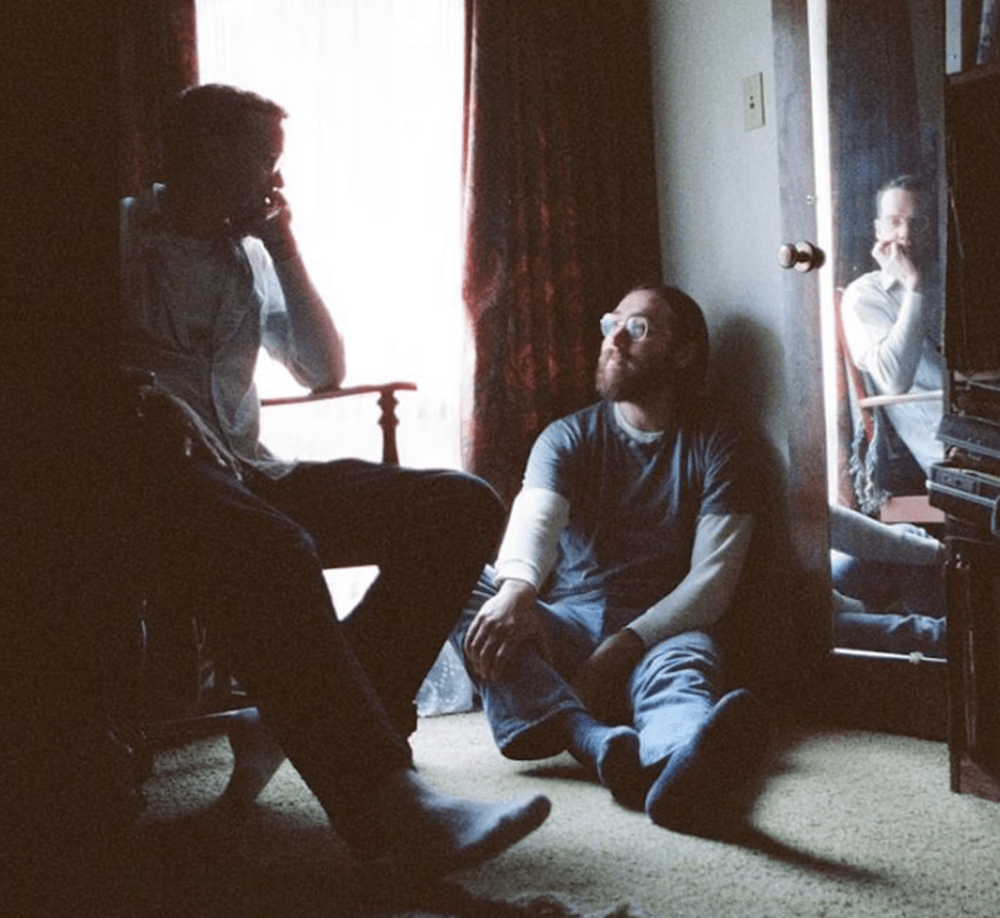
Photo credit: Alexa Viscius
Comforting, probably. I just listened to it for the first time in a couple of months and I was like, I forgot how lush and big some of the arrangements are, which stands out in our discography. But it still feels intimate and personal to me, which I liked. It does not feel like we are trying to make some grand maximalist statement. So yeah, comforting and warm.
This one is self-produced. What made you take that leap?
The last record we made was with John Congleton and Brad Cook. We were down in Texas and had a day off. We went to play Topgolf, and on the drive back Brad turned the music off and said, ‘you guys do not need producers anymore’. He said he was happy to be part of it, but it was clear we were ready. We have arranged every record ourselves anyway, so it was just about trusting our engineer and our own intuition with the sound.
Did that change the way you worked or how you trusted your instincts?
Maybe for seven to ten percent of the process, just making sure we zoomed out a little and were not getting caught in the weeds. We wanted to keep the whole picture in view and avoid the traps that a producer might usually help you out of.
It was made in Oregon. Did the surroundings shape the sound at all?
My dad used to be a musician, and he had built the skeleton of a studio in an old airplane hangar he was renting in Newberg, Oregon. I have a lot of love for that place, but it gets a little country out there. We knew we were doing it half DIY. We flew gear out, rented stuff from friends in Portland, and built everything ourselves, even using booths to create the room sound. It felt totally customisable.
Were there any particular influences that stood out while you were making it?
There were a handful of musical ones. Some moments sound like Nick Drake, others that feel like The Band or 1950s girl pop. But honestly, we were mostly influenced by visuals. We had a big TV above the mixing desk and watched Poor Things a lot with no sound. It is such a trippy film and I think it made us commit to what we were doing even more.
Both of you went through a lot personally while writing this. How did those changes shape the record?
Max and I both went through breakups. Mine was with someone I’d been on and off with for years. It was really intense, really unstable, but full of love too. We cared about each other deeply, but it became clear that we were bringing out the worst in each other.
Max went through something similar, that kind of breakup where it takes over your whole mind for months. We both experienced that around the same time, and not long after, we wrote Darling. It is not the last breakup song we will ever write, but it felt like such a direct statement that it kind of closed that chapter for us.
After that, we found ourselves writing more about loss, grief, even substance abuse, anything that felt more internal or spiritual. It was freeing in a way. We have written so many breakup songs over the years, and it just felt like we finally had permission to move past that and explore other corners of ourselves.
How do you decide when a song is finished, especially when you are producing yourselves?
That happens in mixing. For this record, we stripped a lot back. We tend to record everything we might possibly want, and then we start taking things off. It was about keeping perspective, listening back, showing it to friends, and removing anything unnecessary until it felt balanced. This time it was definitely more addition by subtraction.
You and Max have worked together a long time. How has that relationship evolved?
It has become more blended. At the start, I was not very good at guitar or piano, so Max handled most of the chords and I did the lyrics and melodies. Now it does not matter who starts what. It is not ego-driven. We just work toward the same goal.
What advice would you give to other artists about keeping creative partnerships strong?
You have to admire each other as friends first. It cannot start as a working relationship. You have to grow up fast and realise it is not about ego. If you want to make something that connects with people, it has to be greater than what either of you could do alone. We both know that and as long as we can keep that perspective, we will keep making Whitney songs.
What do you hope listeners take from this record?
Comfort. I am speaking from an American perspective, and our country feels like it is burning down from the inside. There are a lot of relatable sentiments on the record. Even when we talk about grief or heartbreak, we always try to leave a glimmer of hope. That has become something we cannot help but do.
You have live dates coming up. What are you most excited about?
We toured for six weeks this summer and added a few of the new songs. Even people from the label said adding them to the set was a game changer. It feels like we can build a real emotional journey. We are also working with someone on the stage design so it feels more like a proper show and less like seven guys getting on stage half drunk.
Finally, what is next for Whitney?
We will be touring all next year. There are songs that did not fit on this record that might come out later or on the next one. We have already started writing again and it feels really good.
SHOP NOW
Photo credit: Alexa Viscius